Al-Ramadan Font: Elevating Campaigns with Cultural Elegance
It was a Tuesday morning, and I was deep into finalizing the visual assets for an upcoming Ramadan campaign. The client wanted to celebrate the holy month with authenticity and modern flair — not just another generic holiday promotion. I needed a font that could bridge tradition and trendiness, something that felt both spiritual and stylish. That’s when I stumbled upon Al-Ramadan. From the moment I saw it, I knew this display typeface had the potential to make our message stand out in a sea of sameness.
A Typeface Rooted in Heritage
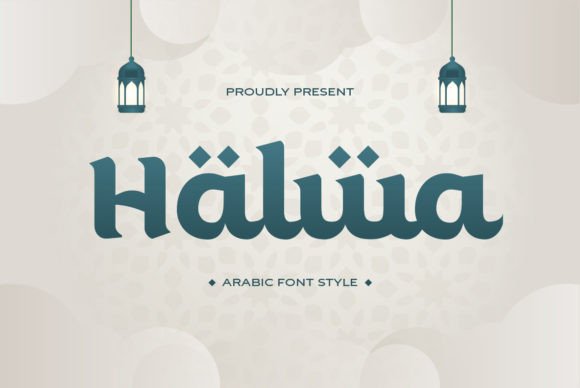
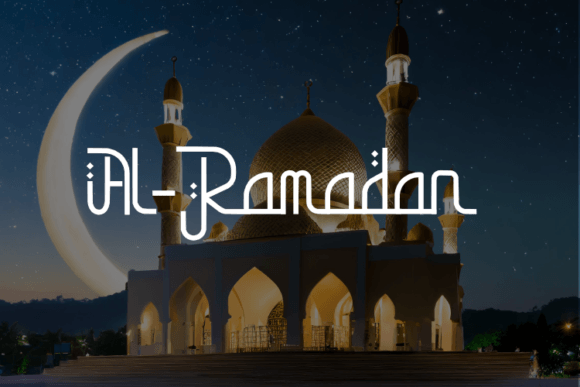
Al-Ramadan is more than just a decorative font; it's a cultural statement. Designed with Islamic calligraphy as its foundation, this typeface brings a sense of reverence and festivity to any design project. Its sweeping curves, intricate flourishes, and elegant spacing evoke the beauty of Arabic script while maintaining a clean, contemporary edge. It doesn’t shout at your audience — instead, it invites them to pause and reflect.
This kind of subtlety is rare in the world of display fonts, where many lean too heavily on boldness or ornamentation at the expense of clarity. Al-Ramadan manages to balance artistry with legibility, making it ideal for headlines, promotional banners, and social media posts where the message needs to be both seen and felt.
Putting Al-Ramadan into Action
I started by using it in a series of Instagram stories for a local e-commerce brand launching a Ramadan collection. The goal was to create a cohesive visual identity across all platforms that resonated with Muslim audiences without feeling exclusionary. We used Al-Ramadan for the main headline in each post — phrases like “Celebrate with Purpose” and “Ramadan Blessings Await.”
The first impression was strong. The font immediately set a tone of elegance and sincerity. It wasn’t just text on a screen; it was a symbol of shared values and traditions. This helped us build trust and connection before even showcasing the products.
From Thumbnails to Teasers
When designing YouTube thumbnails for a content creator’s Ramadan vlog series, we went all-in with Al-Ramadan. The video titles were short but meaningful — “Spiritual Routines,” “Traditional Recipes,” and “Ramadan Goals.” Using this display font allowed us to highlight the words with visual weight, guiding viewers’ eyes directly to the title area.
We tested two versions of one thumbnail: one with a standard sans serif font and one with Al-Ramadan. The latter stood out more in fast-scrolling feeds, especially when paired with warm color palettes and minimal background elements. While we can’t guarantee a specific conversion rate, the feedback from the team and the initial engagement numbers suggested a stronger emotional response from the audience.
Designing for Multiple Platforms
What I love most about Al-Ramadan is how versatile it is across digital channels. Whether you're working on Pinterest pins, email banners, or website headers, this typeface adapts well to different contexts while preserving its core aesthetic appeal.
- Instagram Posts: Use it for eye-catching Ramadan greetings or product teasers. Pair it with soft gradients or gold accents for extra impact.
- YouTube Thumbnails: Ideal for bold titles or short taglines that pop against dark or light backgrounds.
- Email Banners: Perfect for subject line overlays or header text in newsletters promoting seasonal offers.
- Digital Ads: Works beautifully in carousel ads where each image features a different aspect of Ramadan celebrations.
One of the key considerations when using Al-Ramadan is its role in visual hierarchy. As a display font, it shines in headlines and callouts. It’s not recommended for body text due to its ornate style, but in short bursts, it commands attention and adds depth to your messaging.
Short Headlines, Big Impact
In a recent webinar promotion, we used Al-Ramadan for the event title and a few supporting callouts. The webinar focused on community building during Ramadan, and the font choice reflected the thoughtful and intentional nature of the topic. Attendees later mentioned that the visuals felt aligned with the message — respectful yet refreshing.
For marketers, this is powerful. A well-chosen font can reinforce your message and help shape how your audience perceives your brand. In this case, Al-Ramadan didn’t just look good — it communicated purpose.
Readability Tips for Real-World Use
While Al-Ramadan is undeniably beautiful, readability is still essential, especially in mobile-first campaigns. Here are a few tips I’ve learned from real projects:
- Use it sparingly: Because it’s a decorative display font, limit its use to headlines and key phrases. Too much can overwhelm the viewer.
- Optimize for small screens: When designing for thumbnails or image overlays, increase contrast between the text and background. Darker tones work best on lighter backdrops and vice versa.
- Test in fast feeds: Preview your designs in a grid layout (like Instagram Explore or Pinterest) to ensure the text remains legible and recognizable at a glance.
I also recommend always checking the font’s performance in both portrait and landscape orientations. Sometimes a single word in Al-Ramadan can take up too much space horizontally, which might disrupt the flow of your design. Kerning and letter spacing adjustments often make a big difference in these cases.
Font Pairing Strategies
To maintain balance in your designs, pairing Al-Ramadan with a complementary font is essential. I’ve found it works particularly well with clean sans serif fonts like Montserrat or Open Sans. These provide a modern counterpoint that keeps the overall look fresh and approachable.
If you want to add some warmth or sophistication, try pairing it with a subtle serif like Lora or Playfair Display. For a more creative route, a minimalist script or handwritten font can enhance the personal touch — think Nunito or Poppins for a softer secondary voice.
The trick is to let Al-Ramadan do the heavy lifting visually, then support it with simpler, more functional typography. This helps guide the reader’s eye through the composition and ensures the message remains clear and digestible.
Exploring Variations and Alternates
Before locking in the font for a campaign, I always check what variations are available. Does Al-Ramadan come with multiple weights or alternate characters? Are there ligatures or stylistic sets that can add variety to repeated headlines?
Having access to different styles makes it easier to differentiate between primary and secondary headers, or to add unique touches to branded templates. If you’re planning a week-long content series, having several alternates allows you to vary the look slightly while keeping the brand identity consistent.
Also, don’t overlook multilingual support. If your campaign reaches a broader Middle Eastern or South Asian audience, being able to use the font in Arabic, Urdu, or Persian can significantly improve inclusivity and resonance.
Commercial Licensing and Practical Precautions
When integrating Al-Ramadan into paid campaigns, commercial licensing is a must. Always confirm whether the font supports your intended usage — including digital ads, merchandise, and web design. Some premium fonts have restrictions on embedding in websites or using in video exports, so understanding the fine print can save you headaches down the line.
I once had to redo an entire set of graphics because the font I used lacked proper web compatibility. Don’t let this happen to you. Download the full package, review the included file formats (TTF, OTF, WOFF), and test the font in your preferred design tools before finalizing deliverables.
Case Study: Online Shop Launch
Let me give you a concrete example. Last year, I worked on a launch for a modest fashion retailer targeting Muslim women for their Ramadan collection. We used Al-Ramadan in the hero section of the landing page for the headline “Ramadan Elegance Redefined.” Below it, we paired it with a clean sans serif for product descriptions and pricing.
The result was striking. The headline created a strong first impression, aligning perfectly with the brand’s mission to offer clothing that reflects both faith and fashion. The rest of the page remained easy to navigate thanks to the strategic use of supporting fonts. It was a great reminder that Al-Ramadan, when used correctly, enhances the storytelling behind your brand rather than distracting from it.
Branding and Long-Term Visibility
As a marketer, I’m always thinking about how a font contributes to brand recognition. Al-Ramadan has a distinctive character that, when used consistently, can become part of your brand’s signature look. Think of it like a visual motif — something that appears subtly across your marketing materials and reinforces your message over time.
Whether you're creating a logo-style text piece for Ramadan, designing a promo graphic for Eid, or crafting a banner for a virtual iftar event, this typeface adds a layer of intentionality to your work. It shows you care about the culture you're speaking to, and that matters more than ever in today’s globalized market.
Design Assets and Consistency
One thing I always do when starting a new campaign is build a library of reusable design assets. With Al-Ramadan, I created templates for social posts, email headers, and ad creatives that maintained a consistent typographic presence. This not only sped up the design process but also ensured a unified brand experience across platforms.
Remember, consistency is key in branding. Even the smallest details — like choosing the same font for every Ramadan-related post — can strengthen your campaign’s identity and make your content more memorable.
Final Takeaway
Choosing the right font isn’t just about aesthetics — it’s about communication. Al-Ramadan does more than look pretty; it carries meaning. It speaks to heritage, celebration, and connection in a way that other display fonts simply can’t replicate.
So next time you're preparing a campaign around Ramadan or any culturally rich theme, consider how a font like Al-Ramadan can elevate your message. Not only will it make your visuals more compelling, but it’ll also show your audience that you understand and respect their traditions.
And in the end, that’s what truly drives engagement — authenticity.